

Registered corporations in the Philippines are required to annually file their General Information Sheet (GIS) and Annual Financial Statements (AFS) to the Securities and Exchange Commission (SEC) to provide the government formal records of their corporate information and financial activities for the last fiscal year.
Admin

Offshore Staffing gives employers the chance to build a global dream team. However, managing remote staff presents some unique challenges. The lack of face-to-face contact can lead to trust and communication issues.

Virtual currency has the potential to empower millions of unbanked people in the Philippines. Currently, only 22% of Filipinos have a bank account.
The Ease of Doing Business Act of 2018, or Republic Act 11032, aims to cut excessive red tape and make it easier to start and operate a business in the Philippines.

A recent survey of 600 small businesses revealed that taxes are their number one challenge. Tax preparation can be very time-consuming, averaging 181 hours to file a return in the Philippines.
Today, three generations dominate the workplace: the Millennials, Generation X, and the Baby Boomers. They range in age from 22-73 years old and represent 93% of the workforce.

Moving to a new country can be a stressful time. However, there’s no need for finances to be overwhelming. If you are planning an extended stay in the Philippines, opening an overseas bank account can ease the transition.

Professional employer organizations (PEOs) offer businesses an alternative to in-house HR management. In this co-employment model, a company’s employees are hired by the PEO and then leased to the client.

To boost global competitiveness and attract more local and foreign entrepreneurs, the government of the Philippines passed the Ease of Doing Business Act of 2018 (Republic Act 11032) on May 28, 2018.
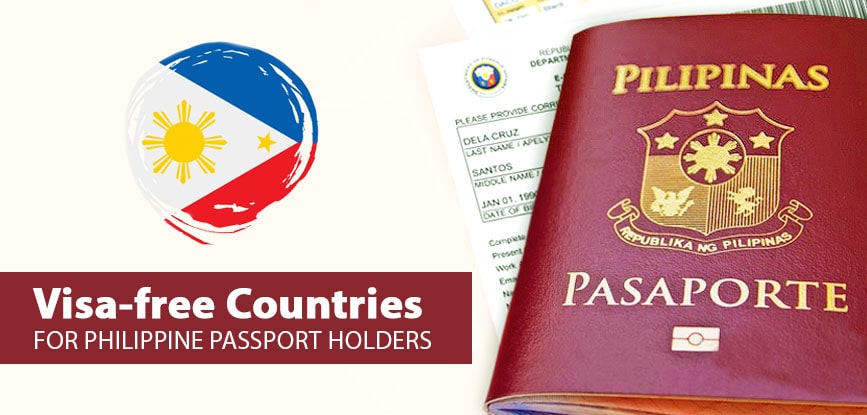
International travel has never been more accessible for Filipinos. According to the Global Passport Index, the Philippine passport is stronger than ever, ranking 64th worldwide.